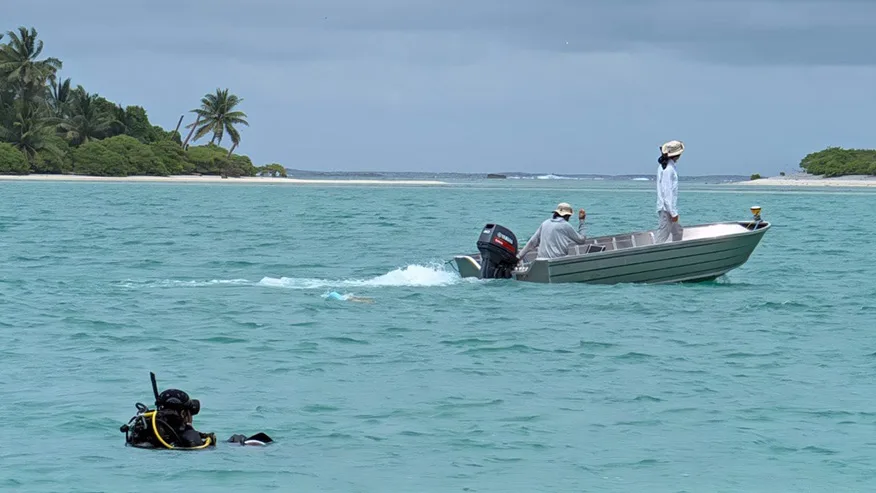
Researchers from Purdue University and the Archaeological Legacy Institute have begun a six‑day expedition on Nikumaroro Island, where they must navigate terrain populated by giant coconut crab. The crustaceans, which can reach three feet in height and weigh up to ten pounds, are noted as a logistical obstacle for the team searching for Amelia Earhart’s lost aircraft.
About the coconut crab
Coconut crabs are the world’s largest land‑dwelling crabs. They are meat‑eating and can climb trees to feed on fruit, including coconuts, which gives them their name. Their size and strength mean they can defend themselves aggressively if disturbed, a factor researchers must consider when moving through the island’s jungle and coastal zones.
Expedition’s focus on Amelia Earhart’s plane
The mission targets a shallow lagoon on Nikumaroro, an atoll roughly 230 miles from the nearest inhabited land. Researchers believe a photograph taken in 2020, after Tropical Cyclone Pam shifted sand in 2015, may show the aircraft’s remains now buried under sediment. Team leader Rick Pettigrew explained that the plane could be hidden beneath the lagoon’s floor, similar to a shipwreck covered by sand.
Challenges posed by the island’s wildlife
Half of the team will trek on foot through dense vegetation, while the other half conducts a maritime sweep around the island’s perimeter. Both groups report that coconut crabs are a constant presence, capable of reaching a weight of nearly ten pounds. Their size and potential for defensive behavior require researchers to carry protective gear and move cautiously to avoid bites.
What’s next for the search?
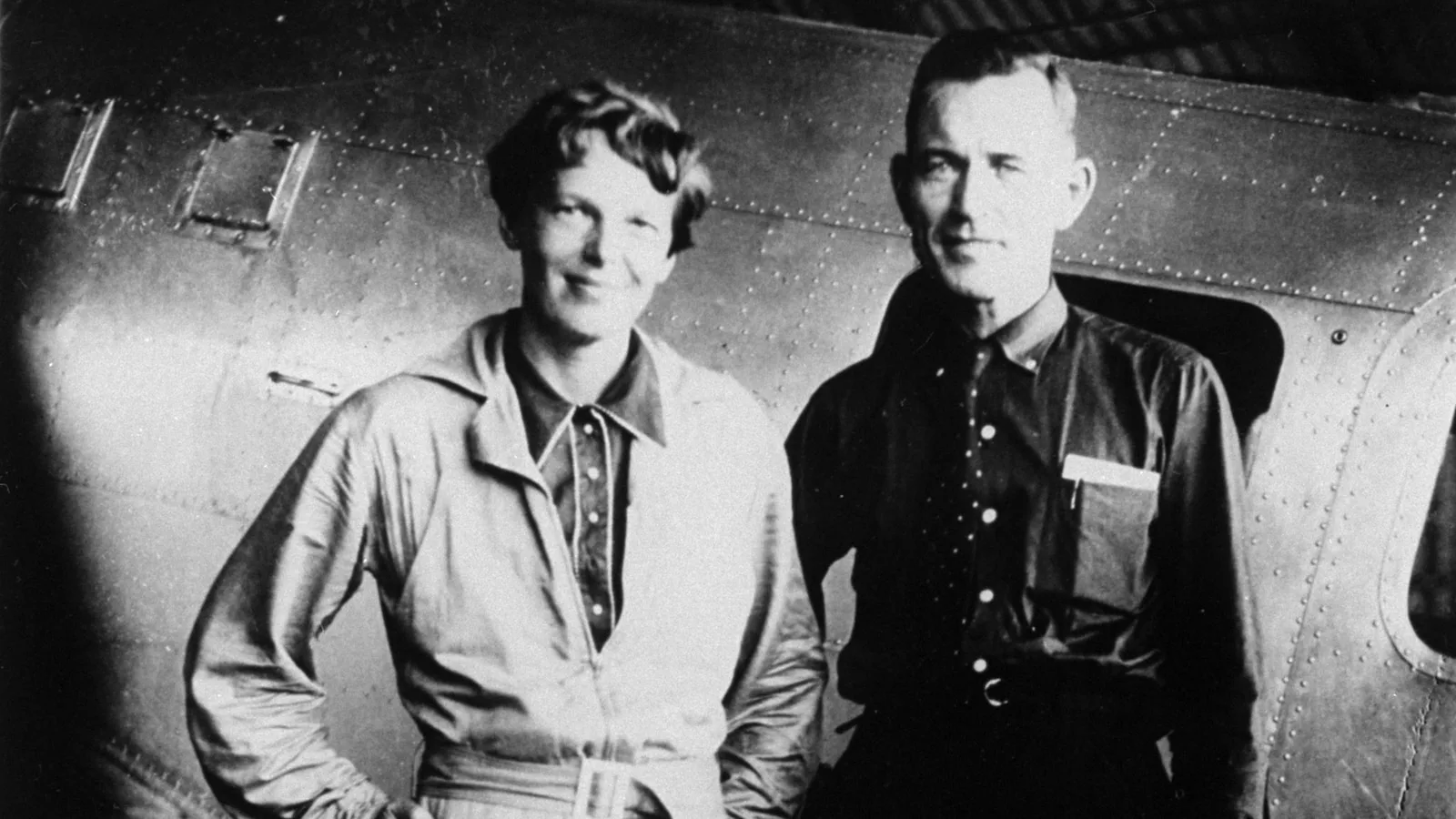
The crew departed from Tarawa on October 7 and expects to spend six days on the island. Their next steps include detailed sonar scanning of the lagoon floor and careful excavation of any sediment layers that could conceal aircraft fragments. If the plane is located, it would add a significant chapter to the decades‑long mystery surrounding Earhart’s 1937 disappearance.
While the coconut crab adds a unique challenge, the expedition’s primary goal remains the identification of any physical evidence that could confirm the final resting place of Amelia Earhart and Fred Noonan.
Sources: ABC News - Breaking News, Latest News and Videos, WTHR, Fox 59.