Discovering an Unexpected Stellar Palette
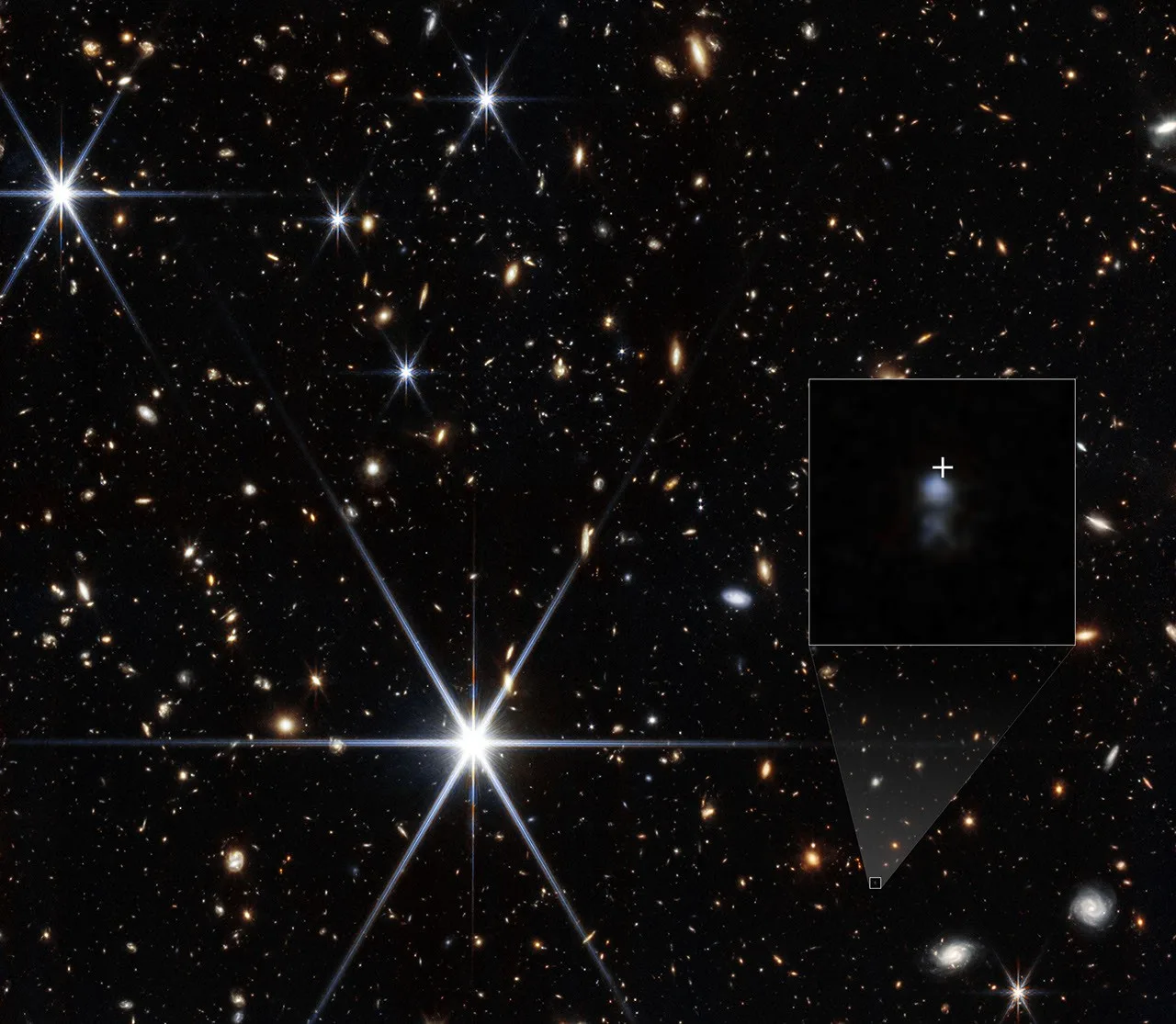
Astronomers have identified a white dwarf star that glows with a distinct chartreuse green hue after swallowing rocky material from its planetary system. While stars across the universe typically display colors ranging from red to blue based on their surface temperatures, new research shows that dense stellar remnants can produce unexpected colors when interacting with planetary debris.
How Dense White Dwarfs Change Color
When a star like the Sun exhausts its nuclear fuel, it sheds its outer layers and leaves behind a hot, dense core known as a white dwarf. While most white dwarfs shine in white or pale blue due to their temperature, researchers discovered that extreme atmospheric densities can alter this behavior.
The atmospheres of cooler white dwarfs can reach water-like densities millions of times greater than the Sun's photosphere. Under these conditions, trace elements such as calcium, carbon, and sodium interact with dense helium plasma, changing how light is absorbed across various wavelengths.
Analyzing Light Spectra to Find a Green Star
Because white dwarfs cannot be observed directly at close range, researchers examined their light spectra—the chemical fingerprint created when starlight splits into constituent colors. By running these spectra through human color vision models, the team determined how different white dwarfs would appear to the human eye.
Carbon-rich white dwarfs often appear pink or purple, while mixed hydrogen and helium atmospheres can create cyan or pale blue tinges. However, the star designated as WD J1330+6435 stood out. Located roughly 284 light-years away and measuring about 7,232 degrees Fahrenheit, it consumed planetary material rich in sodium, lithium, and calcium. According to the research team, sodium traces absorb orange light, resulting in a ghostly green appearance.
Rarity of Oddly Colored Stars
Unusual hues remain uncommon among stellar remnants. Out of 151 white dwarfs examined within approximately 65 light-years of Earth, only five displayed atypical colors, suggesting that roughly one in thirty white dwarfs might exhibit unusual shades. Nevertheless, researchers note that across the entire cosmic population, this still represents a significant number of peculiarly colored stars.
Sources: Gizmodo.