

Did Netanyahu Lose the Election? Israel Faces Political Deadlock
As vote counting nears its conclusion, Israel's recent parliamentary election has left no clear winner and forced a political stalemate.
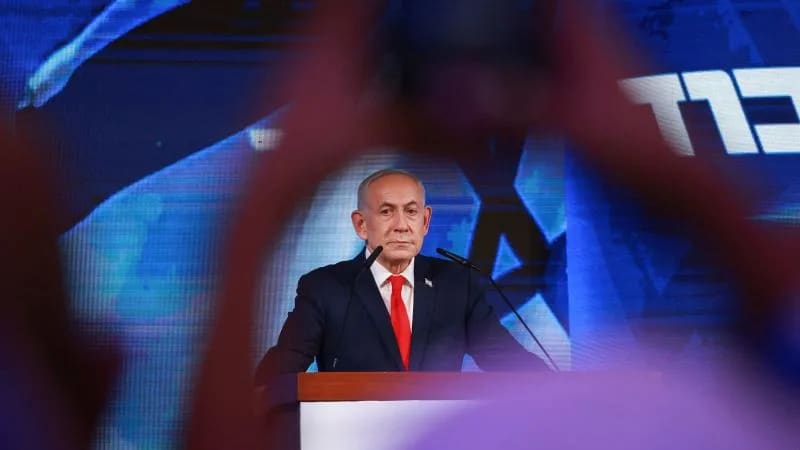
Did Netanyahu lose the election? As vote counts near their final conclusion in Israel, the outcome remains entirely undecided, plunging the nation into an intense political deadlock.
In a political career spanning more than three decades, Benjamin Netanyahu has repeatedly survived political obituaries. While the latest election results give his opponents a viable path to end his run, Israel's intricate political framework guarantees nothing.
Parliamentary Math and Inconclusive Results
With most ballots tabulated, no clear winner has emerged for the country's top leadership post, setting the stage for weeks or potentially months of uncertainty. Netanyahu's Likud party stands as the largest faction in the 120-seat Knesset, projected at 26 seats. However, his broader right-wing bloc secured only 53 seats, coming up short of the 61-seat threshold required to govern.
Conversely, the opposition theoretically commands around 67 seats, but that arithmetic is fractured deeply by personal, national, and ideological divisions. Gadi Eisenkot, Netanyahu's primary challenger, won 21 seats, though Jewish opposition parties account for only 48 seats total. To attain a 61-seat majority, they would require backing from Arab parties such as Raam and the Joint List.
The Role of Arab Parties and Post-Election Friction
Raam and the Joint List are projected to win a combined 19 seats, driven by record turnout among Palestinian citizens of Israel. While the Joint List has expressed readiness for cooperation to bring an end to Netanyahu's rule, right-wing figures within the opposition have historically opposed governments relying on Arab party support. Meanwhile, Likud has launched formal complaints regarding the voting process, which the Central Elections Committee is currently examining.
For more background on regional outcomes, check out Did Netanyahu Win the Election? Israel Faces Inconclusive Results.
What Happens Next?
The Central Elections Committee is currently handling double-envelope ballots from soldiers, prisoners, diplomats abroad, hospital patients, and voters with disabilities. Ranging between 430,000 and 480,000 ballots—enough to shift over 10 seats—these votes undergo a special verification process before final figures are officially confirmed.
Frequently asked questions
Did Netanyahu lose the election?
How many seats did Netanyahu's Likud party win?
Who is Netanyahu's main challenger?
When will the final election results be released?
Related stories

उमर अब्दुल्ला Marries Journalist Nidhi Razdan Amid Public Reactions
Jammu & Kashmir Chief Minister उमर अब्दुल्ला wed senior reporter Nidhi Razdan, sparking praise from actress Hina Khan and debate among religious leaders.

Michigan Democrat Haley Stevens Sparks Controversy Like Jason Turkish
Democratic Representative Haley Stevens stunned her party by endorsing Republican Mike Rogers in a tight Michigan Senate race after a public feud with Abdul El-Sayed.

National Survey Places Andhra Pradesh Leadership Among Top Chief Ministers
A recent nationwide performance survey has placed the leadership of Andhra Pradesh in the top ten chief ministers list, highlighting administration and public approval metrics.

US Senator Chris Murphy Recovering in Hospital Following a Stroke
United States Senator Chris Murphy is currently awake, alert, and responding well to medical treatment after suffering a stroke.