

Exploring Equal-Weight Alternatives to the QQQ Stock Portfolio
Discover how a lesser-known fund offers exposure to the same holdings found in qqq without the heavy concentration risk on major tech giants.
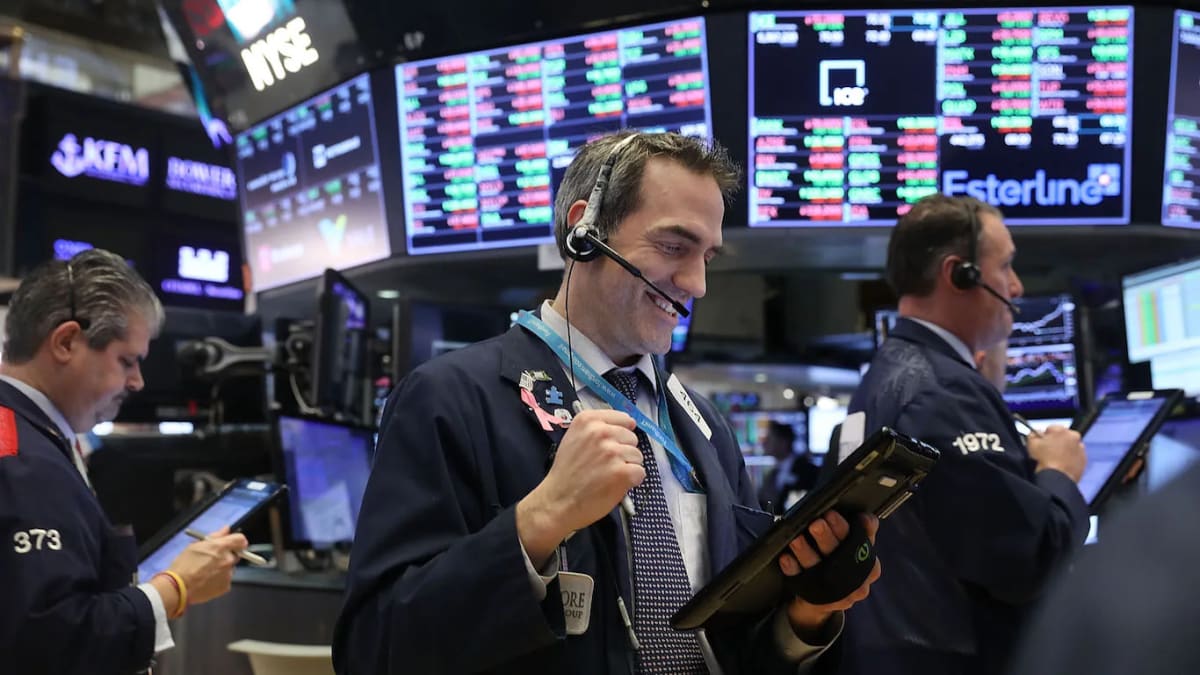
Understanding Portfolio Concentration in Major Funds
Investors purchasing shares of qqq typically seek broad exposure to the NASDAQ-100 index. However, this major portfolio heavily leans on a select group of prominent technology platforms and chipmakers, meaning a large fraction of assets can depend on the performance of just a few dominant corporations.
For retirees and near-retirees desiring growth from these underlying companies without intense exposure to a handful of massive entities, alternative smaller funds present a different structure. These options hold the identical underlying equities but distribute capital on distinct terms.
Comparing Market Weights and Holdings
The Invesco QQQ Trust weights its companies by market value. For instance, mid-2026 filings indicated that major tech and semiconductor holdings claimed substantial portions of the net assets. In contrast, equal-weighted alternatives rebalance holdings back to roughly even shares on a regular basis, preventing top performers from disproportionately dictating overall portfolio movement.
Asset sizes and trading volumes also highlight structural differences between the giants and their smaller counterparts. While the primary index tracker commands hundreds of billions in net assets and tens of millions in daily share turnover, equal-weighted alternatives often operate with more modest asset bases and lower trading volumes.
Evaluating Performance and Trade-Offs
Equal-weighted strategies tend to lag when mega-cap enterprises drive broader market rallies, as keeping winners near a one percent slice limits the upside of those specific surges. Conversely, during periods when top-heavy concentration faces headwinds or declines, equal-weighted alternatives can demonstrate different short-term movement.
Additional considerations include trading dynamics and operational costs. Funds with smaller asset levels may encounter wider bid-ask spreads, and investors must always review specific expense ratios and management fees detailed in official fund documentation before committing capital.
Choosing the Right Strategy for Your Portfolio
Deciding between standard market-cap weighting and alternative equal-weight structures depends heavily on individual risk tolerance and financial goals. Those who expect the largest NASDAQ entities to maintain market leadership often prefer the deep liquidity and established track record of traditional products. Meanwhile, participants looking to mitigate concentration anxiety often explore balanced alternatives.
Sources: 24/7 Wall St., WSJ, Yahoo Finance.
Frequently asked questions
What is the primary difference between qqq and an equal-weighted alternative?
How do the asset sizes of the funds compare?
What management fee does QQQ charge?
Why might an investor choose an equal-weighted fund over QQQ?
Related stories

Harley-Davidson Unveils New Small-Capacity Cruiser Called the Sprint 440
Harley-Davidson has officially revealed its latest small-capacity cruiser model, featuring a 440cc single-cylinder engine and traditional styling cues.

Reliance Share Surges Following Record Quarterly Profit and Earnings Beat
Reliance Industries shares jumped nearly 12% in a record single-day gain, adding over $19 billion in market value following better-than-expected quarterly financial results.
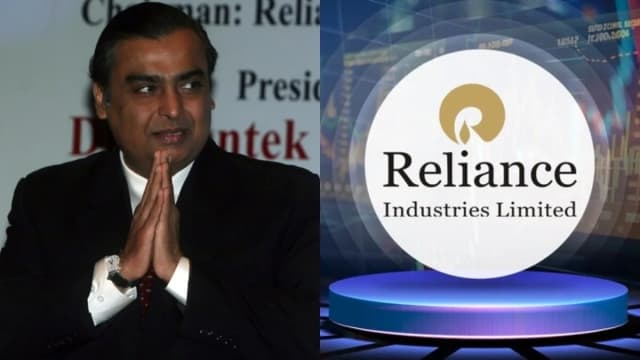
मुकेश अंबानी की संपत्ति में जबरदस्त उछाल और रिलायंस शेयर में तेजी
उद्योगपति मुकेश अंबानी के व्यावसायिक साम्राज्य को हाल ही में कई सकारात्मक खबरें मिली हैं, जिससे रिलायंस इंडस्ट्रीज के शेयरों में भारी तेजी दर्ज की गई है।

HPCL Visakh Refinery Fire Erupts After Explosion in Andhra Pradesh
A major fire broke out at the HPCL Visakhapatnam refinery following an explosion on Monday night, prompting immediate evacuations and emergency response efforts.