Understanding the Jackie Eagle Avian Influenza Findings
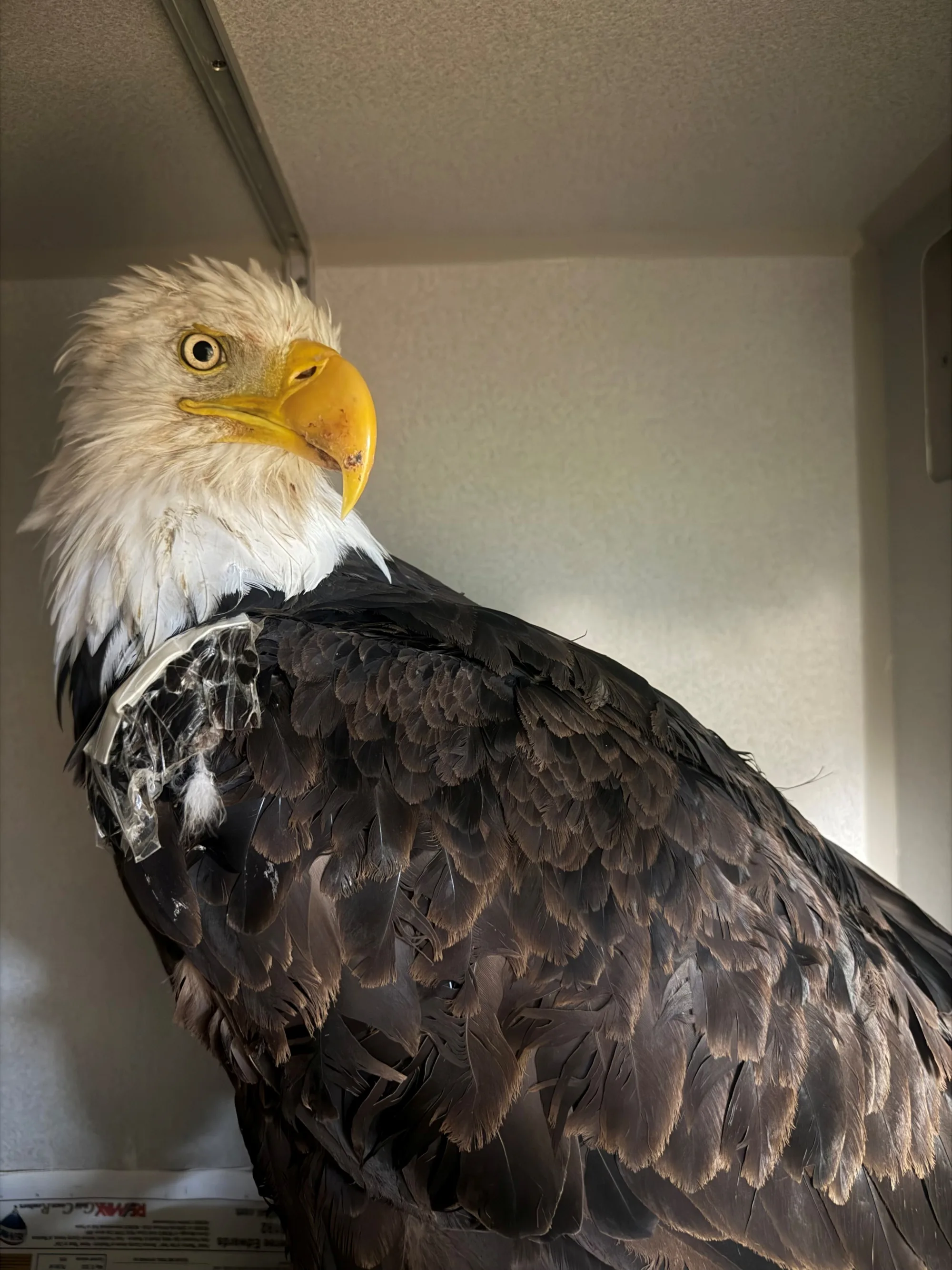
Official diagnostic results have revealed that Highly Pathogenic Avian Influenza served as the primary underlying cause of death for Patient 26-519, the renowned bald eagle from Big Bear Valley widely known as Jackie. Wildlife authorities released the final pathology details following extensive laboratory and toxicology evaluations.
According to the evaluation conducted by veterinary pathologists, the viral infection manifested in an uncommon way by creating a severe stomach ulcer. This damaged tissue triggered persistent internal bleeding, severe anemia, and a secondary bacterial infection that compounded her overall decline.
Insights from the San Diego Zoo Jackie Necropsy
The examination provided extensive clarity regarding the complex medical issues facing the bird during her hospitalization. Specialists noted that genetic material from the HPAI virus was present throughout several tissues, including the ulcerated region of the ventriculus, commonly referred to as the gizzard.
Additional screenings checked for heavy metals and West Nile Virus. Results confirmed she was negative for West Nile, while heavy metals such as lead remained within acceptable limits. Although screening did detect an anticoagulant rodenticide called brodifacoum in her liver, the evaluation found no evidence of the uncontrolled bleeding typically associated with it, ruling it out as the primary catalyst for her death.
Impact on Big Bear Bald Eagles Jackie and Shadow
Jackie's passing marks the loss of one half of the famous breeding pair that inhabited Big Bear Valley for years. Camera data indicates that her mate, Shadow, remains in the area, and officials report no evidence that Shadow or the eaglets contracted any sickness.
Following standard procedures to mitigate any risk of transmitting the virus to humans or other wildlife, the remains were cremated by the U.S. Fish and Wildlife Service's National Eagle Repository. Experts emphasize that reviewing the formal testing outcomes provides valuable lessons for supporting future wildlife and raptor care.
Sources: California Department of Fish and Wildlife (.gov), Los Angeles Times, VVNG.