

Global Scramble Unfolds After Critical PHP Security Vulnerabilities Disclosed
Websites around the world have been taken offline as a global scramble begins to address critical PHP security vulnerabilities.
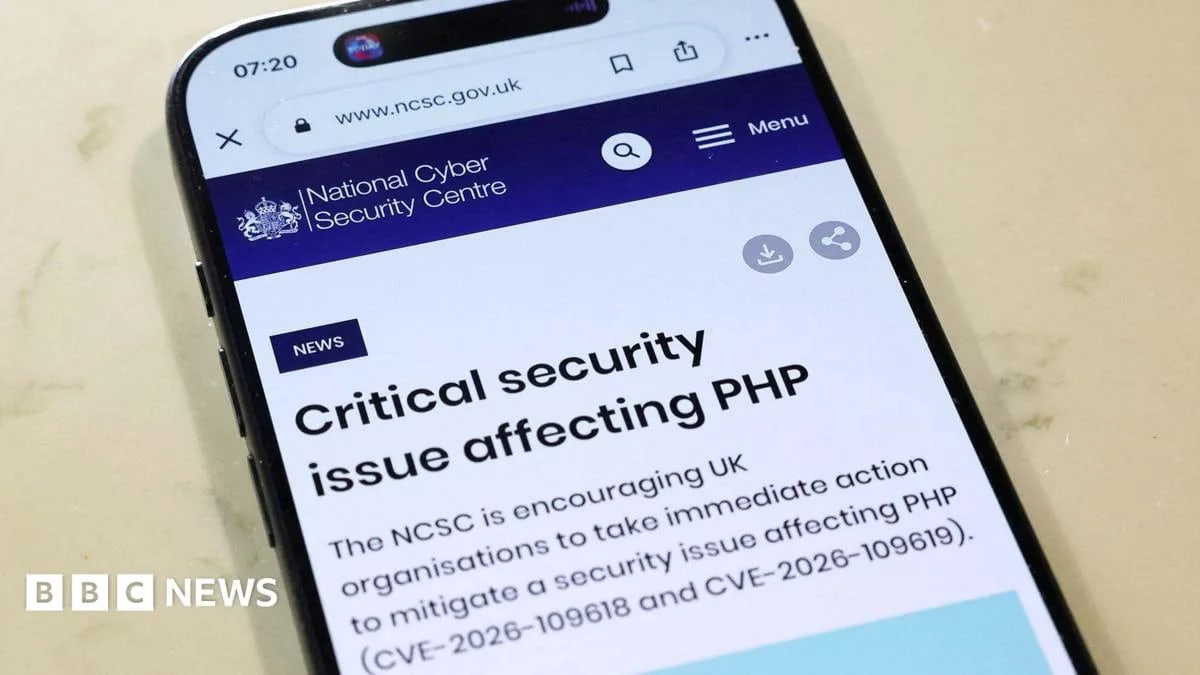
Global Response to PHP Security Vulnerabilities
A worldwide effort is currently underway to address critical php security vulnerabilities that affect a massive portion of web infrastructure. Internet platforms and organizations have taken various services offline as a precautionary measure or to apply newly released software patches.
For more details on how this programming language fits into the broader picture, read our guide on Understanding What Is PHP Amid Recent Global Security Scramble.
Discovery and Artificial Intelligence Involvement
The underlying problem dates back to 2024 when researchers identified a theoretical worry but could not determine how an attack could actually be executed. The situation changed with the introduction of artificial intelligence tools. Researchers utilized an OpenAI project designed to locate and resolve security issues, uncovering two very serious flaws.
Although a coordinated plan to fix the issues was underway, details of the flaw were leaked prematurely. This leak triggered a frenzy within the cybercrime community as malicious actors raced to exploit the weakness.
Millions of Hacking Attempts Reported
Major internet infrastructure firms have reported an astronomical surge in breach attempts. Cloudflare chief Matthew Prince noted that exploit attempts jumped from thousands prior to public disclosure to millions shortly afterward. Similarly, Amazon confirmed that it observed hackers attempting to target the flaws, though their respective services have continued to operate normally.
Cyber security analysts emphasize a major distinction between automated scanning attempts and successful compromises. While the sheer volume of incoming traffic is alarming, a significant portion of these figures likely represents automated internet scans and emergency security checks.
Potential Risks and Next Steps
Experts warn that if unpatched, the flaws could allow unauthorized actors to remotely execute malicious code on servers, extract data, deface websites, or completely disrupt operations. Fortunately, software patches were made available quickly, allowing many services to return online as administrative teams secure their digital environments.
Sources: BBC, wiz.io, Cloudflare Blog.
Frequently asked questions
What is PHP?
How were the vulnerabilities discovered?
Are websites being taken offline?
Have hackers successfully exploited the flaws?
Related stories

Eva Longoria Discusses Impact and Her Courage and Civility Award
Actress Eva Longoria reflects on receiving a $50 million prize from Amazon founder Jeff Bezos and explains why everyday contributions matter just as much.

Guy Ritchie Expands Prime Video Slate as Young Sherlock Season 2 Adds Cast
Prime Video has expanded the cast for Season 2 of Young Sherlock, continuing filmmaker Guy Ritchie's journey into the origins of the literary legend.

Costco Releases Holiday Meal Deal Ahead of Thanksgiving 2026
Costco has launched a holiday meal bundle priced at $199.99 designed to serve eight people for Thanksgiving 2026 preparations.

TRAI ने दूरसंचार क्षेत्र में आर्टिफिशियल इंटेलिजेंस के उपयोग के लिए नए नियम जारी किए
भारतीय दूरसंचार नियामक प्राधिकरण ने टेलीकॉम सेक्टर में आर्टिफिशियल इंटेलिजेंस के सुरक्षित उपयोग के लिए नए दिशा-निर्देश और मसौदा प्रस्ताव पेश किए हैं।