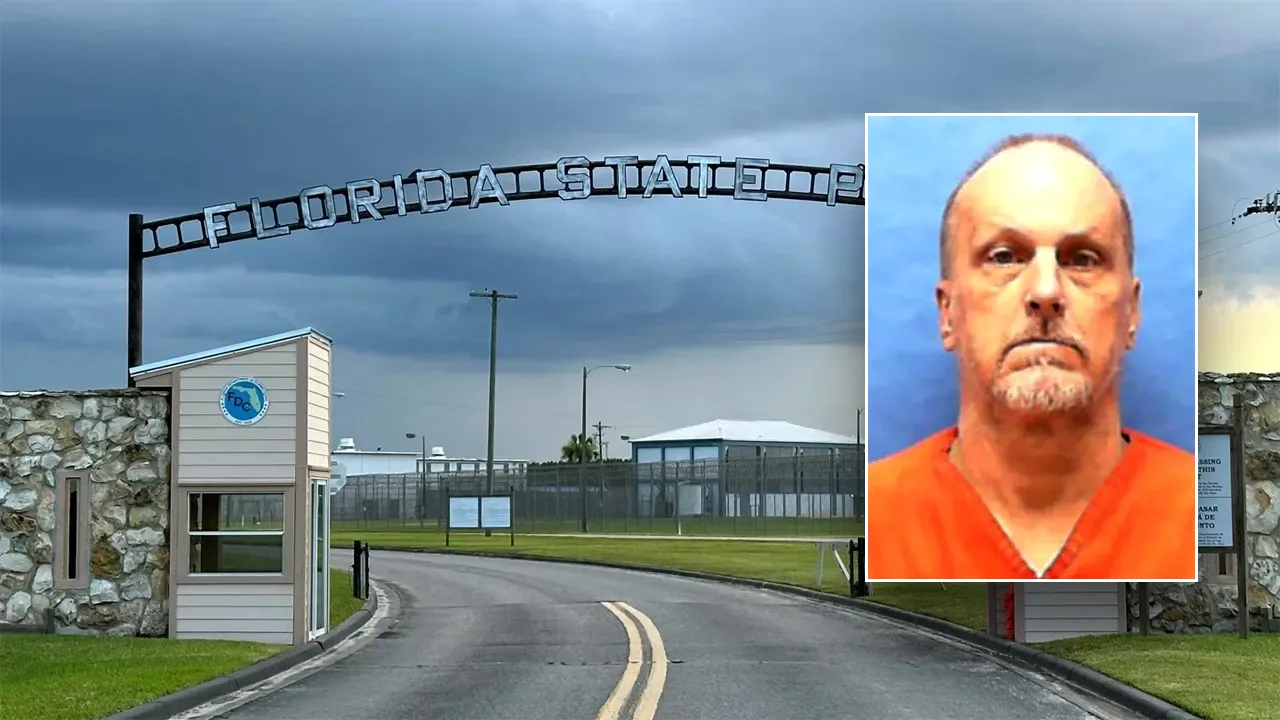
Florida State Prison carried out the lethal injection of 63‑year‑old James Robertson on Tuesday, ending his life ten minutes after the drugs were administered. Robertson had previously confessed to strangling his cellmate, Frank Hart, in 2008 specifically to secure a death‑row sentence.
James Robertson execution details
Robertson, who entered the criminal justice system at age 17 for burglary and assault, later received additional convictions for escape, battery and weapons offenses. In 2008 he pleaded guilty to first‑degree murder for the killing of Hart, who was due for release eight days later. Robertson waived all appeals and declined to give a final statement when asked for last words.
Florida executes inmate who killed cellmate because he wanted death penalty
The state’s Department of Corrections spokesperson, Jordan Kirkland, emphasized that Florida’s lethal‑injection protocol is designed to be "humane and dignified," contrasting it with the recent controversy surrounding a botched execution in Tennessee.
Florida executes inmate with same method Tennessee used in botched Pike case
Tennessee’s failed execution of Christa Pike involved the same three‑drug cocktail—sedative, paralytic, and a heart‑stopping agent—but Pike survived two doses and required emergency medical care. Florida officials said their procedure differs in dosage and monitoring, and they have not commented on Tennessee’s specific protocol.
Florida carries out execution amid scrutiny over botched Tennessee attempt
The timing of Robertson’s execution drew attention from national media and advocacy groups, who argue that the botched Tennessee case raises broader questions about the reliability of lethal‑injection drugs. While Florida defended its method, the incident reignited debates over capital punishment practices across the United States.
Governor Ron DeSantis had earlier withdrawn a death warrant for 74‑year‑old William Lee Thompson, citing concerns about the inmate’s mental competency and health. Thompson remains on death row, and a new warrant could be issued later.
Robertson’s execution was the 17th in Florida for 2026, contributing to a record number of executions overseen by Governor DeSantis, who signed 19 death warrants last year—about 40% of the nation’s total for 2025.
Frank Hart’s daughter, Rebecca Hart, expressed her grief, stating that the loss of her father continues to affect her daily life despite the passage of time.
Sources: Fox News, The Washington Post, The Guardian.