Understanding the Significance of the 5th day of navratri
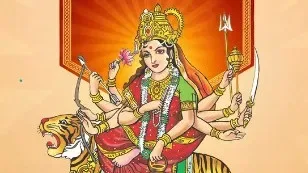
As the nationwide celebrations of Shardiya Navratri continue, attention turns toward upcoming observances such as the 5th day of navratri. The nine-day Hindu festival, which commenced on October 11, is dedicated entirely to Goddess Durga, with each specific day highlighting a distinct manifestation of the deity.
Devotees across the country participate in traditional ceremonies, engage in fasting, and offer daily prayers. While earlier days of the festival involved specific rituals—such as honoring Maa Chandraghanta on the third day for courage, strength, and peace—the ongoing schedule maintains deep religious significance for followers.
Festival Traditions and Rituals
Throughout the multi-day event, participants engage in various acts of devotion. Typical practices include visiting local temples, performing special pujas, and seeking divine blessings to ensure happiness, prosperity, and general well-being for their families and communities.
Leaders and public figures have also marked the festive period through public greetings. Prime Minister Narendra Modi and Delhi Chief Minister Rekha Gupta previously shared messages celebrating the earlier phases of the festival, extending wishes for peace and success to citizens across the land.
Looking Ahead to Vijayadashami
The nine-day period of prayer and worship will eventually culminate in the celebration of Vijayadashami, also widely recognized as Dussehra. This final milestone symbolises the traditional victory of good over evil, bringing the extensive annual observances to a close.
Sources: AP7AM, NDTV, The Times of India.