Observing the 7th Day of Navratri
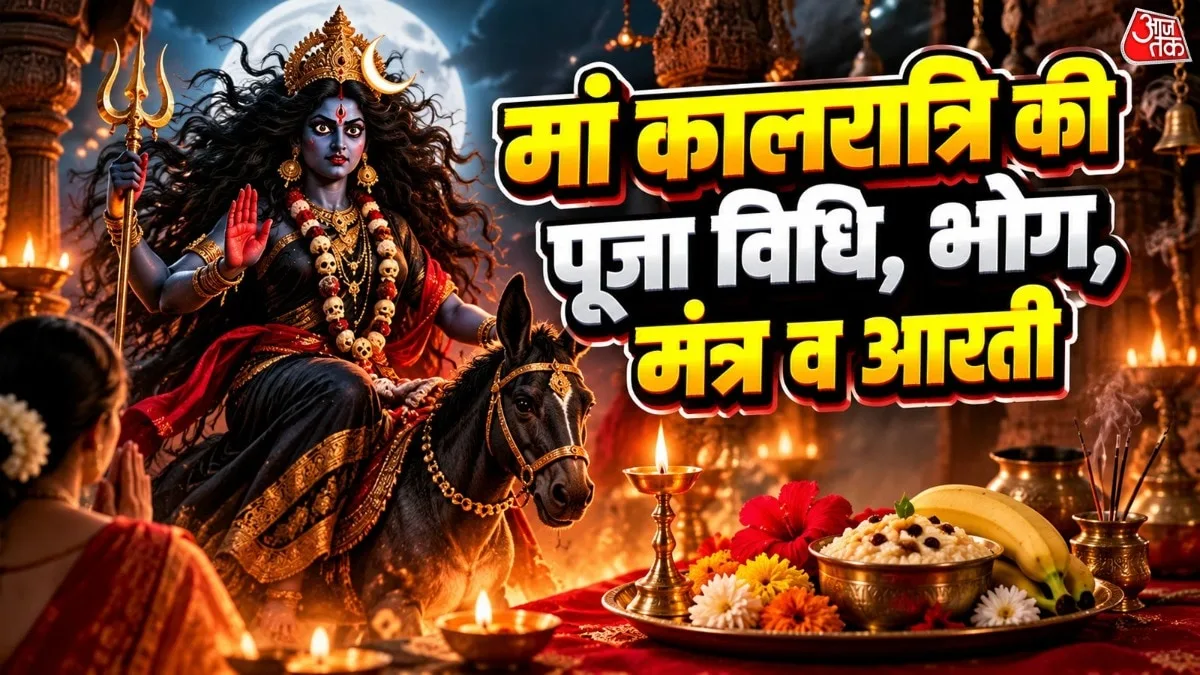
Today marks the seventh day of the Shardiya festival, a period when devotees across regions focus their prayers on the seventh manifestation of Goddess Durga. This specific observance highlights the fierce yet benevolent form known as Maa Kalaratri, who holds a significant place in religious traditions.
As people participate in the 7th day of navratri festivities, traditional practices call for early morning cleansing rituals and preparation of the prayer space. Worshippers ignite lamps before the deity's image, offering vermilion, unbroken rice grains, flowers, and water while maintaining a meditative state.
Rituals for Saptami
The protocols for this day involve specific steps to seek divine protection and remove obstacles from daily life. Religious beliefs dictate that this fierce form of the goddess destroys negative forces and frees her followers from fear, despite her intense appearance.
- Wake up early and complete ritual bathing.
- Cleanse the prayer area thoroughly and light a lamp.
- Offer flowers, vermilion, and water to the deity.
- Recite the dedicated mantra while meditating.
Maa Kalratri ki Aarti and Offerings
Following the primary prayers, participants present specific food items as part of the devotional acts. Offering jaggery, or sweets prepared from jaggery, is considered highly favorable during this time. Families conclude the ceremony by performing the devotional hymn, known widely as maa kalratri ki aarti, and distributing the blessed food among household members.
Religious texts state that performing these rituals with a pure heart brings divine blessings, removes worries, and shields individuals from hardships and illnesses.
Auspicious Attire and Symbolism
Tradition also guides the choice of garments worn during the day's ceremonies. Wearing grey or slate-colored clothing is regarded as auspicious for the occasion. This particular shade serves as a symbol of patience and emotional balance, encouraging individuals to maintain composure even through difficult periods.
Sources: AajTak, Dainik Bhaskar, Jagran.