Shifting Strategies for the United States Army
Top military leadership warns that future conflicts could reach American territory, prompting the united states army to prepare for combat scenarios closer to home. Historically, American forces relied on the premise of fighting enemies overseas while maintaining secure bases and supply lines domestically.
However, modern technological advancements mean military installations and critical infrastructure face growing risks from long-range weapons, cyberattacks, and drones before any overseas deployment occurs.
New Guidance and Operational Pillars
To address these changing dynamics, the military introduced new operational guidance structured around four core pillars: Disrupt, Strike, Assault, and Endure. This framework aims to ensure that American forces can continue to deploy, communicate, and sustain operations even when domestic networks and supply lines face disruption.
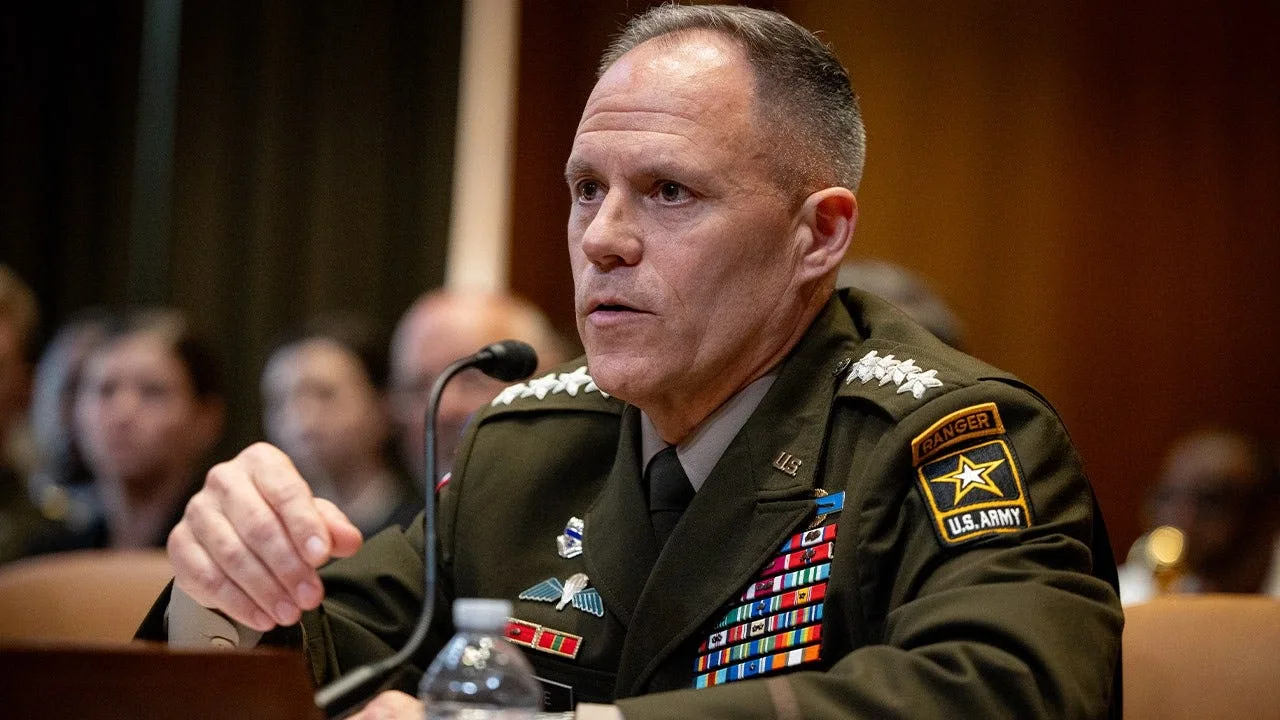
Acting chief of staff Gen. Christopher LaNeve noted that during past decades of conflict, secure domestic bases were taken for granted. Under the updated approach, formations are learning to operate independently if communications are severed and to reconnect when possible.
Defending Bases and Infrastructure
Concerns have intensified following reports of drone incursions over military installations like Joint Base Langley-Eustis and Picatinny Arsenal. Additionally, reports indicate that potential adversaries have positioned cyber capabilities inside domestic critical infrastructure networks to impede mobilization.
To counter these vulnerabilities, the military is collaborating with federal and local law enforcement through initiatives like Joint Interagency Task Force 401. Furthermore, soldiers stationed near the southern border are utilizing real-world missions to test and evaluate emerging counter-drone technologies.
Beyond physical and technological intrusions, officials announced that biological incidents will now be integrated into routine combat training. This expansion ensures that troops remain prepared to execute their missions through potential disease outbreaks or deliberate biological attacks.
Sources: Fox News, Military Times, Army.mil.