

Understanding Today's Moon Phase and Lunar Visibility for October
NASA tracking details the current state of today's moon as October draws to a close, outlining visibility percentages and upcoming lunar phases.
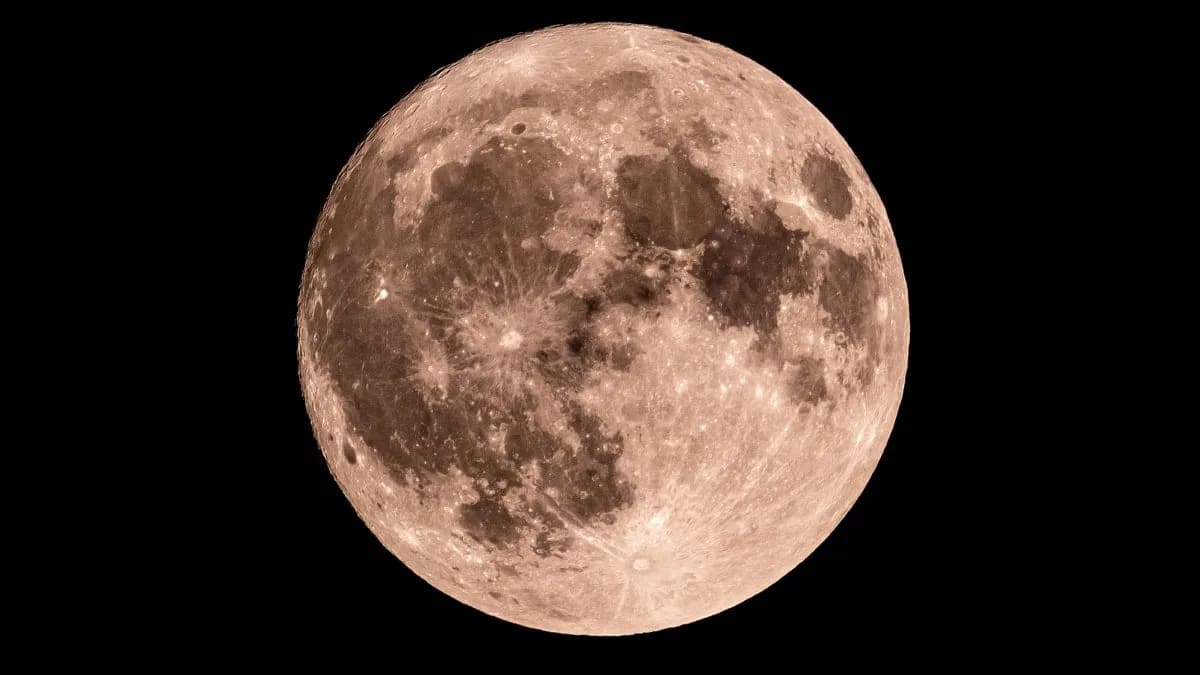
Exploring Today's Moon Phase and Visibility
As October draws to a close, stargazers have plenty of lunar activity to observe in the night sky. Checking up on today's moon reveals important details about its current illumination and positioning.
According to NASA's Daily Moon Guide tracker, the lunar body is currently in the Waning Gibbous phase. Approximately 87 percent of its surface remains visible to observers on Earth.
Moon Position Today and What You Can Spot
Depending on the equipment available, viewers tracking the moon position today can spot various distinct features across the lunar surface. Without any visual aids, people should be able to locate the Tycho Crater, Copernicus Crater, and the Mare Imbrium.
For those utilizing binoculars, additional landmarks come into view, including the Posidonius Crater, the Mare Humorum, and the Grimaldi Basin. Observers equipped with a telescope can look even closer to spot the Apollo 12 landing site, the Rupes Altai, and the Caucasus Mountains.
Understanding the Lunar Cycle
The Moon takes roughly 29.5 days to complete a full orbit around Earth. Throughout this journey, changing positions relative to Earth and the Sun alter the amount of illuminated surface visible to us.
NASA outlines eight distinct phases that repeat in a predictable pattern:
- New Moon: Positioned between Earth and the sun, making the visible side dark and invisible to the eye.
- Waxing Crescent: A small sliver of light appears on the right side in the Northern Hemisphere.
- First Quarter: Half of the Moon is lit on the right side.
- Waxing Gibbous: More than half is illuminated, building toward a full moon.
- Full Moon: The entire face of the Moon is fully illuminated and visible.
- Waning Gibbous: The Moon begins losing light on the right side.
- Third Quarter: Another half-moon phase, with the left side now lit.
- Waning Crescent: A thin sliver of light remains on the left side before the cycle resets.
Looking Ahead
Following the recent full moon, the lunar cycle continues to progress through its waning stages. The next Full Moon is officially scheduled to take place on November 24.
Sources: Mashable, qz.com, Yahoo Tech.
Frequently asked questions
What phase is today's moon in?
What can be seen on the Moon without visual aids?
When is the next Full Moon?
How long does it take for the Moon to orbit Earth?
Related stories
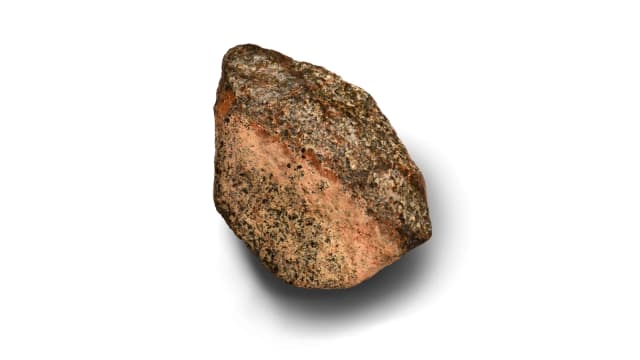
NASA-Funded Study Confirms Teghaza 001 Is a 4.1-Billion-Year-Old Martian Meteorite
Scientists have confirmed that an 800-gram pink rock found in the Sahara Desert is a 4.1-billion-Year-old piece of Mars, offering new insights into the planet's ancient crust.

Ancient Mars Meteorite Discovered in Sahara Offers Crust Insights
A rare space rock discovered in the desert provides scientists with a window into the ancient geological history of the Red Planet.

Samsung News App Discontinued 2026: Shutdown Details Revealed
Samsung has announced plans to shut down its built-in news aggregation service across Galaxy phones and tablets by December 2026.

Rare Rose-Colored Meteorite Confirmed as Ancient Piece of Mars
A rose-colored space rock found in Mali has been identified by NASA researchers as a 4.1-billion-year-old chunk of Mars.