When and Where to Watch the Orionid Meteor Shower
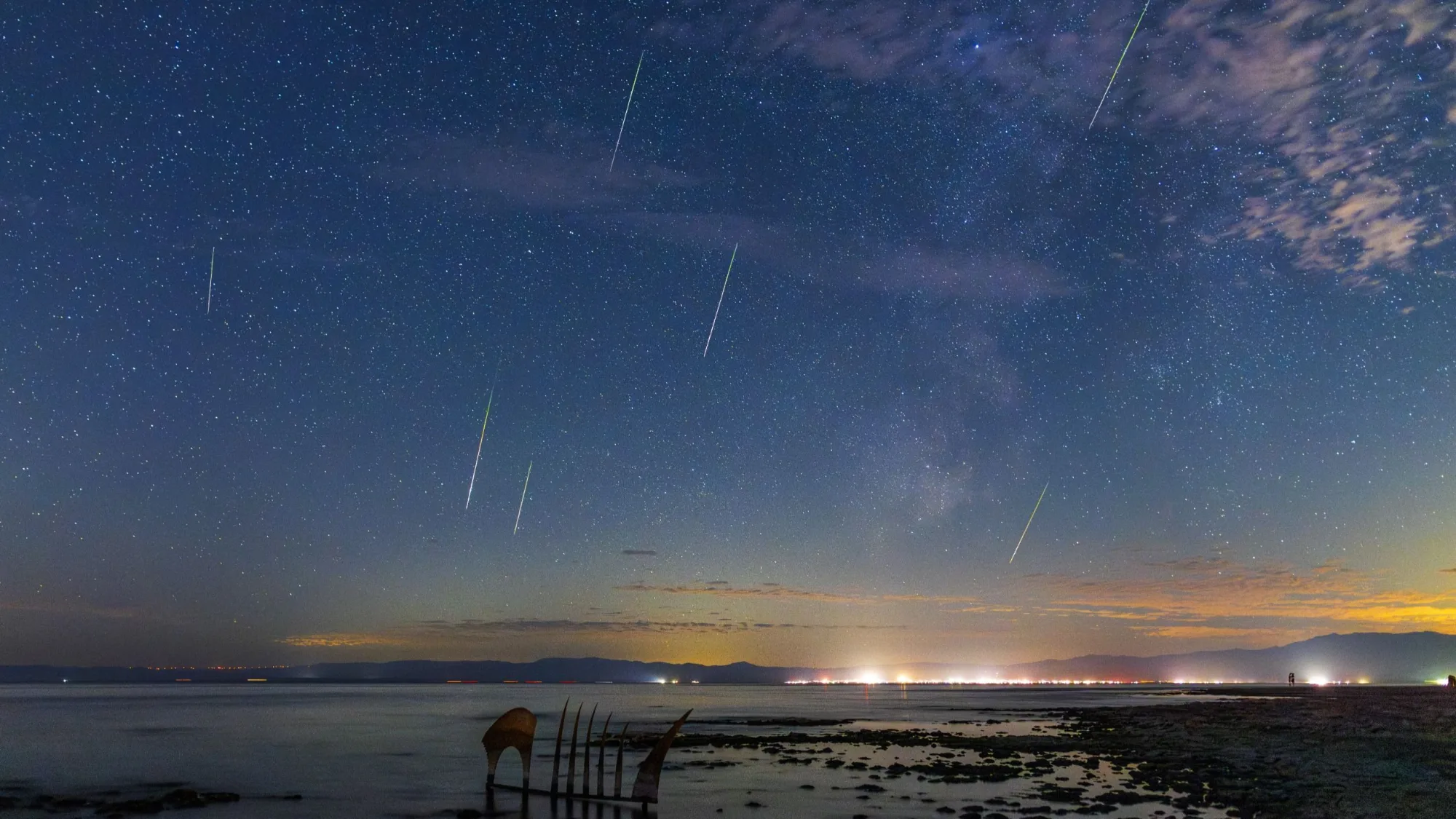
The dependable orionid meteor shower reaches its peak activity around October 21-22. Stargazers hoping to catch the display are advised to wrap up warm for a late-night outing, as autumn skies bring favorable conditions for the annual event.
The meteors take their name from the region where they appear to originate: Orion's raised club, located just above and to the left of the reddish star Betelgeuse. Because Orion is traditionally a winter constellation, it does not fully clear the eastern horizon in early autumn until after 11 p.m. local daylight time. Observers are advised to wait until roughly 2 a.m., when the constellation climbs well above the horizon, with the best views occurring right before dawn around 5 a.m.
Viewing Tips and Moon Conditions
Orionid meteors tend to be relatively faint, meaning city lights can easily wash them out. Experts recommend traveling to a safe, dark rural location, getting comfortable in a reclining chair or sleeping bag, and giving your eyes adequate time to adjust to the dark while looking overhead and toward the southern sky.
This year, moonlight will not entirely ruin the experience. Although a full moon arrives on October 25-26, a waxing gibbous moon will set shortly after 2 a.m. during the peak nights of October 21-22. This leaves approximately three and a half hours of completely dark sky before dawn, during which a single observer might spot 15 to 20 meteors per hour.
The Cometary Origin of the Orionids
The particles responsible for the shower originate from Halley's Comet. As comets near the sun, frozen surface materials turn directly into gas through sublimation, leaving behind tiny, brittle pieces of debris akin to cigar ash.
Halley's Comet is estimated to have circled the sun well over a thousand times during the past 100,000 years, depositing fresh debris on every trip. Twice a year, in October and May, Earth crosses this orbital path. Dust particles strike the atmosphere at a staggering 41 miles per second, creating the glowing streaks known as shooting stars. Additionally, roughly half of Orionid meteors leave persistent glowing trails, a characteristic likely linked to the lightweight composition of material shed from the comet's diffuse surface.
Sources: Space, Sky & Telescope, The Lamron.