

Yeshwantpur Goa Vande Bharat Duration Set to Become Longest‑Running Service
The new Yeshwantpur‑Madgaon Vande Bharat Express will take over 12 hours each way, making it the lengthiest and slowest chair‑car service in the Vande Bharat fleet.
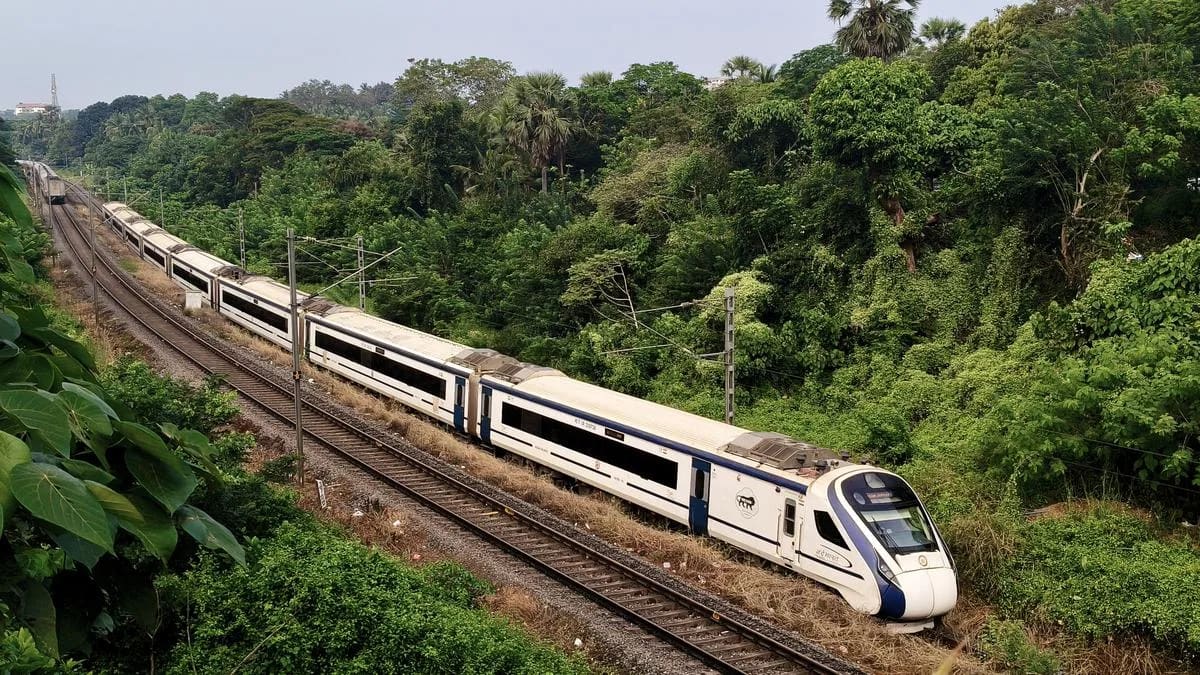
Yeshwantpur Goa Vande Bharat duration confirmed as longest chair‑car run
The upcoming Yeshwantpur‑Madgaon‑Yeshwantpur Vande Bharat Express is slated to start operations later this month. Travel time will exceed twelve hours in each direction, establishing it as the longest‑duration service among the 82 Vande Bharat pairs currently operating across India.
Bengaluru‑Goa Vande Bharat to be slowest VB in India
According to recent reports, the average speed of the new train – about 54 km/h outbound and 53 km/h inbound – places it below the speed of every other Vande Bharat Express. By contrast, the Varanasi‑New Delhi service averages 95 km/h, completing its 759‑km journey in eight hours.
Bengaluru to Goa in 13 Hours! New Vande Bharat via Mangaluru, Madgaon‑Mangaluru one discontinued
Earlier proposals for a faster Bengaluru‑Goa connection via Mangaluru were shelved, leaving the Yeshwantpur‑Madgaon route as the primary high‑speed option. The discontinued Madgaon‑Mangaluru link highlighted the operational challenges on the coastal corridor.
Technical constraints keep the service from becoming faster
The line is predominantly single‑track, requiring frequent train crossings. Additionally, a 50‑km ghat stretch between Sakleshpur and Subrahmanya forces a maximum speed of 30 km/h, further reducing overall average speed.
Comparison with other long‑duration Vande Bharat services
Before this launch, the Pune‑Ajni (Nagpur) service held the record at twelve hours for 882 km, averaging 73 km/h. The Varanasi‑Meerut pair follows with about eleven and a half hours at 66 km/h. The Yeshwantpur‑Madgaon train will thus become the slowest, but it will also be the first to require two rakes, similar to the Pune‑Ajni and Tatanagar‑Brahmapur services.
Uncertain fare classification
Indian Railways classifies trains averaging above 55 km/h as Superfast Expresses, which attract an additional surcharge. Because the Yeshwantpur‑Goa Vande Bharat averages just below that threshold, officials have not confirmed whether the surcharge will apply.
Once operational, the service will connect Karnataka’s Yeshwantpur suburb with Goa’s coastal hub of Madgaon, offering a modern chair‑car experience despite its comparatively modest speed.
Sources: The Hindu, RailJournal, Oherald.
Frequently asked questions
How long does the Yeshwantpur‑Madgaon Vande Bharat Express take in each direction?
How does its speed compare with other Vande Bharat trains?
Why is the Yeshwantpur‑Madgaon service described as the slowest Vande Bharat?
Will passengers be charged a superfast surcharge on this route?
Related stories

Manvanth Kumar Emerges as Karnataka All-Rounder Asset in Cricket
Karnataka all-rounder manvanth kumar has drawn strong attention following impressive lower-order performances and a solid domestic cricket journey.

वेतन आयोग की सिफारिशों से पहले केंद्रीय कर्मचारियों की बड़ी मांगें सामने आईं
केंद्रीय कर्मचारियों और पेंशनरों को नए वेतन आयोग की सिफारिशों का इंतजार है, जबकि संगठनों ने भत्तों और महंगाई भत्ते में बदलाव के प्रस्ताव दिए हैं।

पाकिस्तान में LPG कीमतों में 50 रुपये की वृद्धि, कराची में उपभोक्ताओं पर बढ़ता दबाव
कराची में LPG के किलोग्राम की कीमत 550 रुपये तक पहुंच गई, जिससे घरों के बजट पर सीधा असर पड़ा। ईरान सीमा बंद होने और आपूर्ति समस्याओं को कारण बताया गया।

Rajinikanth Jailer 2 Collection Crosses Rs 816.9 Crore Worldwide
Rajinikanth's Jailer 2 has amassed about Rs 816.9 crore globally by day 20, edging close to Vijay's Tamil Nadu record and becoming the first Tamil film to breach the Rs 800‑crore…