

Zoho Founder Shares Sridhar Vembu Artificial Intelligence Warning
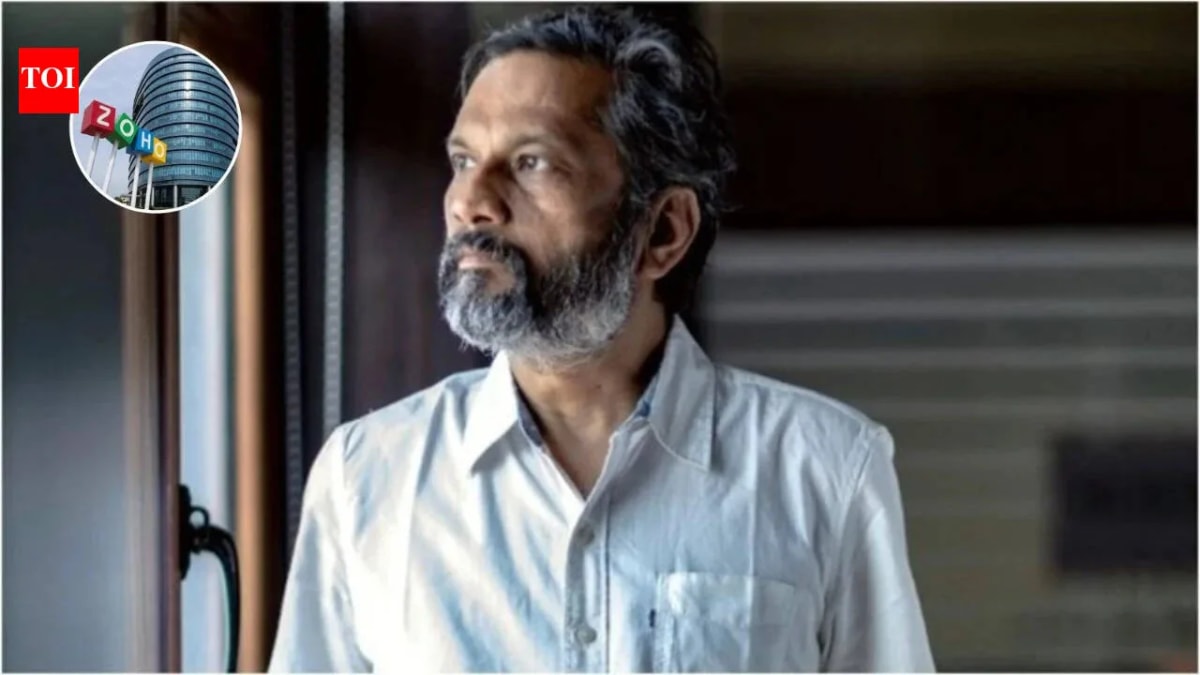
Zoho founder Sridhar Vembu warns that artificial intelligence could allow one skilled person to do the work of ten, pointing to a difficult economic transition.
Understanding the Sridhar Vembu Artificial Intelligence Warning
Zoho founder Sridhar Vembu has shared a notable perspective on how artificial intelligence is shaping the modern labor market. In a recent statement, he cautioned that technological advancements could profoundly alter everyday employment, noting that a single skilled individual leveraging artificial intelligence can execute tasks previously handled by ten workers.
The commentary highlights growing concerns for professionals whose daily routines center around computers. While the discussion addresses potential workforce reductions, it also explores broader economic shifts and changing business capabilities across various sectors.
Economic Rebalancing and Productivity Shifts
Sharing his thoughts on X, formerly Twitter, the Zoho founder pointed out that computer-based roles face new pressures as capabilities advance. However, he clarified that higher efficiency does not necessarily translate to ninety percent unemployment for desk workers. Instead, the transition is expected to cause a complex rebalancing throughout the broader economy.
As certain operations require fewer staff members, other areas might experience growth. Businesses that previously lacked the financial resources to hire specialized professionals may find new opportunities to expand their teams.
Impact on Software Engineering and Digital Marketing
Addressing how smaller entities might benefit, Vembu noted that tasks previously out of financial reach could become accessible. For instance, small businesses that could not justify hiring a dedicated software engineer or digital marketing expert might find it feasible to invest in these functions as artificial intelligence reduces required time and resources.
This dynamic suggests that while traditional workflows face disruption, new demands could emerge in fields that were previously constrained by high hiring costs.
Preparing for Future Workplace Challenges
Describing the anticipated outcome as a painful economic transition, the technology leader emphasized the importance of acceptance and readiness. As companies restructure their teams and adopt new tools, the demand for specific tasks will decline while other skills gain value.
Workers may need to adjust to evolving job requirements and acquire new competencies to remain competitive. Acknowledging these forthcoming adjustments is presented as the primary path forward for navigating the changing landscape.
Sources: The Times of India, NDTV, The Economic Times.
Frequently asked questions
What is the sridhar vembu artificial intelligence warning about?
Does Sridhar Vembu believe 90% of computer workers will lose their jobs?
How might AI affect industries that previously could not afford certain hires?
What did Vembu suggest workers do in response?
Related stories

Harley-Davidson Unveils New Small-Capacity Cruiser Called the Sprint 440
Harley-Davidson has officially revealed its latest small-capacity cruiser model, featuring a 440cc single-cylinder engine and traditional styling cues.

Nintendo Details Development Team and Release Plans for Zelda Remake
Nintendo has revealed the development team and background details behind the upcoming release of the classic title in the zelda series.

Pltr Stock Rises as Palantir Q3 Earnings Beat Forecasts, Revenue Leads
Palantir posted Q3 earnings above estimates, with U.S. commercial revenue overtaking government for the first time, sending pltr stock down modestly in after‑hours trading.
OpenAI Chief Argues Personal Computers Should Not Have Sam Altman Ram
OpenAI CEO Sam Altman has claimed that placing memory in individual personal computers rather than data centers is terrible, sparking widespread public backlash.