

Uncovering the Unique Origins of the Teghaza 001 Martian Meteorite Sahara Discovery
A rose-tinted space rock discovered in the desert has been confirmed as one of the oldest Martian meteorites ever identified on Earth.

Exploring the Teghaza 001 Martian Meteorite Sahara Find
A distinctive rose-coloured rock discovered in 2022 has been officially classified as the teghaza 001 martian meteorite sahara specimen, offering unprecedented insight into the early history of the Red Planet. Weighing nearly 800 grams, this celestial object stands out as one of the most ancient Martian fragments ever recovered on Earth.
Origins and Ancient Timeline
The meteorite derives its name from the Teghaza salt plain located in Mali, where it was originally found. Scientific analysis indicates that the sample dates back more than 4.1 billion years. This precise age was determined through radiometric dating of zircon minerals that crystallized from molten magma on Mars, placing it alongside other legendary Martian samples such as ALH84001 and Black Beauty.
Scientific Significance and Water Evidence
Researchers examining the texture and overall composition noted that the material does not align with any previously cataloged meteorite group. Most notably, experts identified chemical markers proving that the stone interacted with liquid water during its formative stages. This makes the sample a direct physical witness to an ancient era when Mars possessed moisture and potentially harbored conditions suitable for life.
Sources: Vajiram & Ravi, NASA (.gov), Futura, le média qui explore le monde.
Frequently asked questions
What is Teghaza 001?
Where was Teghaza 001 discovered?
Why is Teghaza 001 considered scientifically significant among Martian meteorites?
How old is Teghaza 001 estimated to be?
Related stories
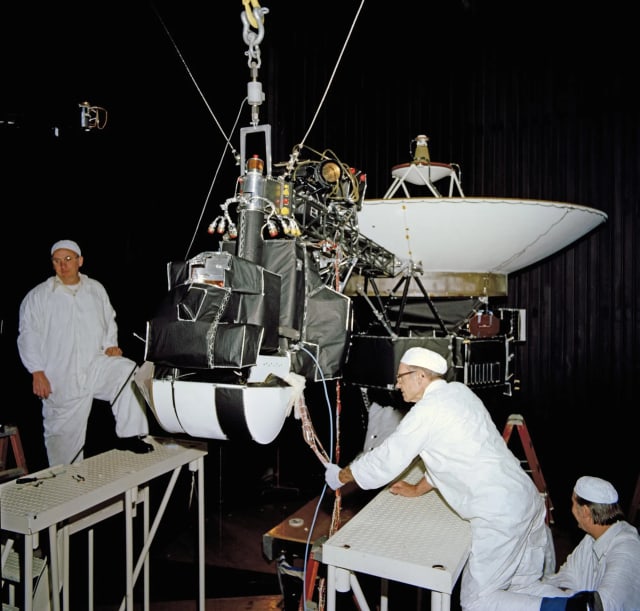
NASA Team Restores Communication With Voyager 1 After Brief Signal Loss
NASA engineers successfully re-established contact with voyager 1 following a brief forty-eight-hour communication pause as the historic probe approaches a major distance…

IISc Professor Prathosh Ap Discusses Shastras and AI with IIT Students
IISc Bengaluru professor prathosh ap recently engaged with IIT students regarding how ancient shastras connect with modern artificial intelligence and logic.
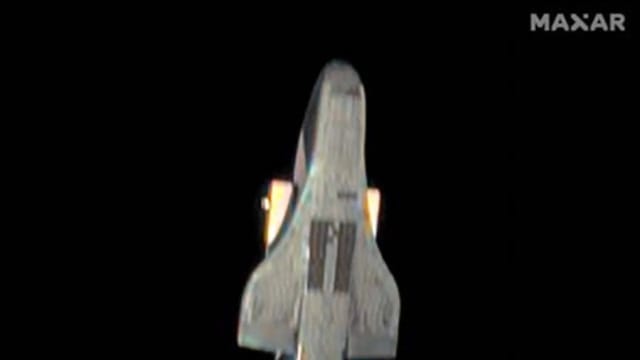
Avión Espacial Chino Fotografiado Muestra Parecido Con X‑37B De EE. UU.
Una foto de alta resolución tomada por un satélite comercial de EE. UU. revela un avión espacial chino con diseño muy similar al X‑37B estadounidense.
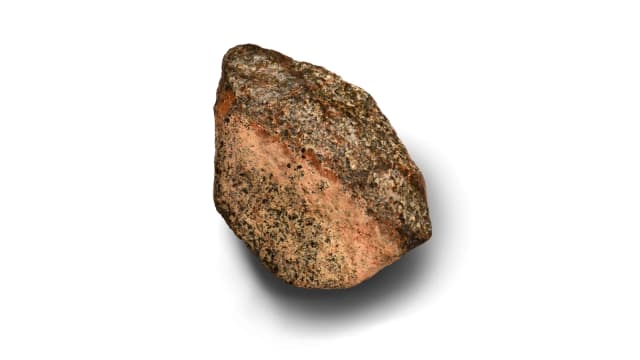
NASA-Funded Study Confirms Teghaza 001 Is a 4.1-Billion-Year-Old Martian Meteorite
Scientists have confirmed that an 800-gram pink rock found in the Sahara Desert is a 4.1-billion-Year-old piece of Mars, offering new insights into the planet's ancient crust.