

Understanding the Carlsbad Caverns Cheetos Impact on Cave Ecosystems
A discarded snack bag inside a New Mexico cave sparked unexpected microbial growth, highlighting how fragile isolated natural environments can be.
What Caused the Carlsbad Caverns Cheetos Impact?
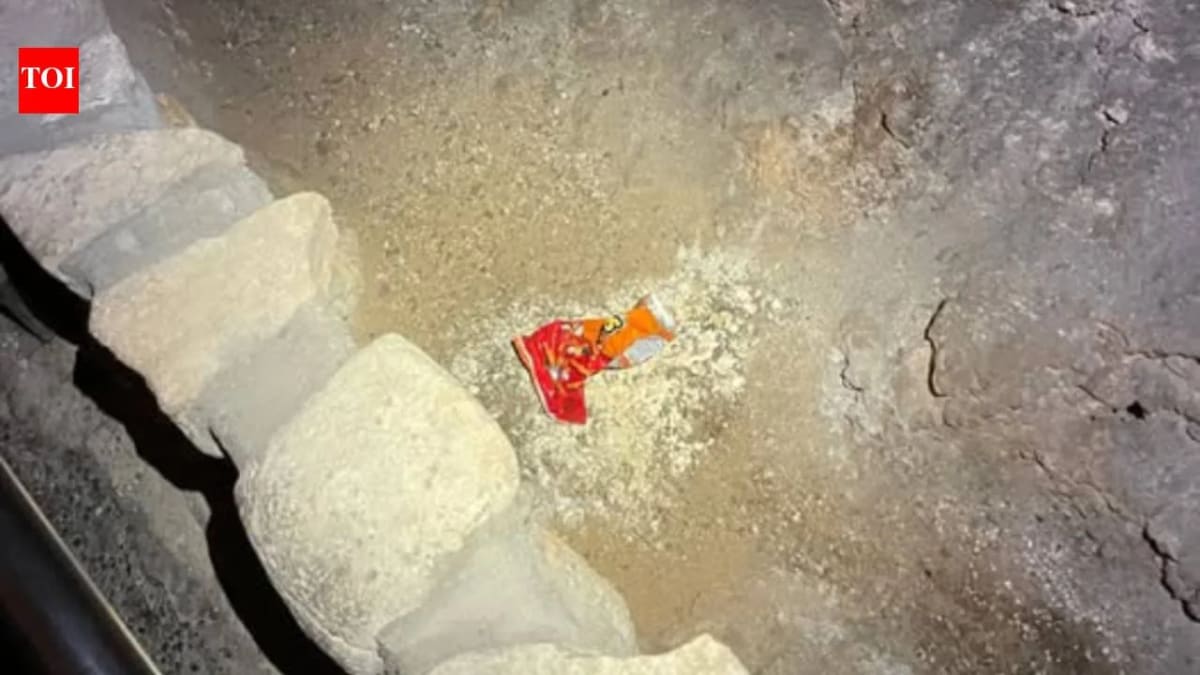
In the summer of 2023, a visitor inside Carlsbad Caverns National Park dropped an open snack container, triggering an unexpected environmental event. The incident centered around a cheetos bag left behind in the Big Room, a massive underground chamber famous for its dramatic stalagmites and stalectites.
While a piece of dropped litter might seem minor in many outdoor settings, the the carlsbad caverns cheetos impact demonstrated how foreign materials can severely disrupt a largely isolated subterranean ecosystem. Park officials noted that introducing processed food into such an environment alters its delicate natural balance.
High Humidity and Fungal Growth
The unique climate inside the New Mexico caves played a massive role in how the discarded food reacted. Cave guides and National Park Service representatives explained that humidity levels in the area typically hover between 90 and 100 percent.
Because of this intense moisture, the processed corn snack quickly became soggy. This damp residue served as an ideal breeding ground and nutrient source for local fungi and microbes, allowing mold to spread across nearby surfaces before dying and decomposing.
Attracting Cave Inhabitants
As the mold and fungi thrived around the dropped snack, other organisms quickly took notice. Cave crickets, mites, springtails, spiders, and flies gathered around the contamination site. These creatures formed a temporary food web as the nutrients spread further into the immediate cave environment.
Park Ranger Intervention and Cleanup
Upon discovering the contamination, National Park Service personnel stepped in to assess the situation and mitigate any long-term damage. Rangers successfully gathered nearly all of the spilled food particles.
To eliminate the biological growth, staff members used a toothbrush to carefully scrub away the rings of mold and fungi that had developed. According to official accounts, the detailed cleanup process took roughly 20 minutes.
The National Park Service utilized the event to remind the public that human actions inside protected environments carry consequences that stretch far beyond immediate visibility. While certain impacts like lint fibers from clothing are virtually unavoidable, dropping food and litter remains entirely preventable.
Sources: The Times of India, Men's Journal, The Economic Times.
Frequently asked questions
What caused the incident in Carlsbad Caverns?
How did the high humidity affect the snack?
What organisms were attracted to the area?
How did park rangers clean up the mess?
Related stories

Uncovering the Unique Origins of the Teghaza 001 Martian Meteorite Sahara Discovery
A rose-tinted space rock discovered in the desert has been confirmed as one of the oldest Martian meteorites ever identified on Earth.

Understanding Whats on My Ballot 2026 During Midterm Elections
Voters checking whats on my ballot 2026 can review candidate options as polls close and election results begin to unfold across the state.

NASA Team Restores Communication With Voyager 1 After Brief Signal Loss
NASA engineers successfully re-established contact with voyager 1 following a brief forty-eight-hour communication pause as the historic probe approaches a major distance…

IISc Professor Prathosh Ap Discusses Shastras and AI with IIT Students
IISc Bengaluru professor prathosh ap recently engaged with IIT students regarding how ancient shastras connect with modern artificial intelligence and logic.